artes digital
The world of digital photography
PersonalienNatur ExkursionenBird WatchingFoto SeminareNatur FotografieAkt FotografieLocation La GomeraWhale watchingRauch SalonPresse und TV professional
artes digital start
artes digital
welcome to the world of digital photography.

Bruno Dittrich - Fotodesigner                                     Foto des Monats:
                                                                                    Zügeldelfin, Albino vor La Gomera.

 
Zügeldelfin (auch Fleckendelfin genannt)
Atlantic spotted dolphin
Delfin moteado
Stenella frontalis

Am 1. April 2010 um 11.40 Uhr sichteten knapp 40 Gäste von Bord des Ausflugsschiffs „Excursiones Tina“ eine Seemeile vor Valle Gran Rey, La Gomera, einen Zügeldelfin-Albino. 20 Minuten hielt sich der weiße Delfin in unmittelbarer Nähe des Schiffs auf. Am 4. April wurde der Albino zum zweiten Mal gesichtet.

Der beobachtete Zügeldelfin ist ein ausgewachsenes, mindestens fünfjähriges Tier, das in einer Schule gemeinsam mit etwa einhundert Artgenossen lebt.

Bei Meeressäugern, Walen und Delfinen, ist Albinotismus eine extreme Seltenheit. Bei allen an Land lebenden Säugern ist statistisch jedes zwanzigtausendste Tier ein Albino. Bisher konnten jedoch nur wenige weiße Wale beobachtet werden. Vor der Küste Chiles1839 ein Pottwal, genannt „Mocha Dick“. Er wurde durch Melvilles Roman „Moby Dick“ weltberühmt. Seit 1995 lebt ein Buckelwal-Albino vor der australischen Küste. 2009 tauchte ein albinotischer Großer Tümmler im nordamerikanischen Salzsee Lake Calcasieu auf.

Der Weltbestand der Zügeldelfine (Stenella frontalis) wird auf etwa 100.000 Tiere geschätzt. Der vor La Gomera gesichtete Delfin ist mit hoher Wahrscheinlichkeit der einzige Albino seiner Art.

Albinos entstehen durch einen Gendefekt, der die Bildung des Farbstoffs Melamin ganz oder teilweise stört. Bei Melaminmangel können Haut und Haare ihre normalen Farben nicht ausbilden. Deshalb sind Albinos mehr oder weniger weiß. Es werden vier Typen Albinos unterschieden. Sie haben in der Natur erheblich geringere Überlebenschanchen als normal gefärbte Artgenossen. Bei Naturvölkern gelten Albinos als heilig und werden nicht gejagt.


welcome to the world of digital photography, arts & television


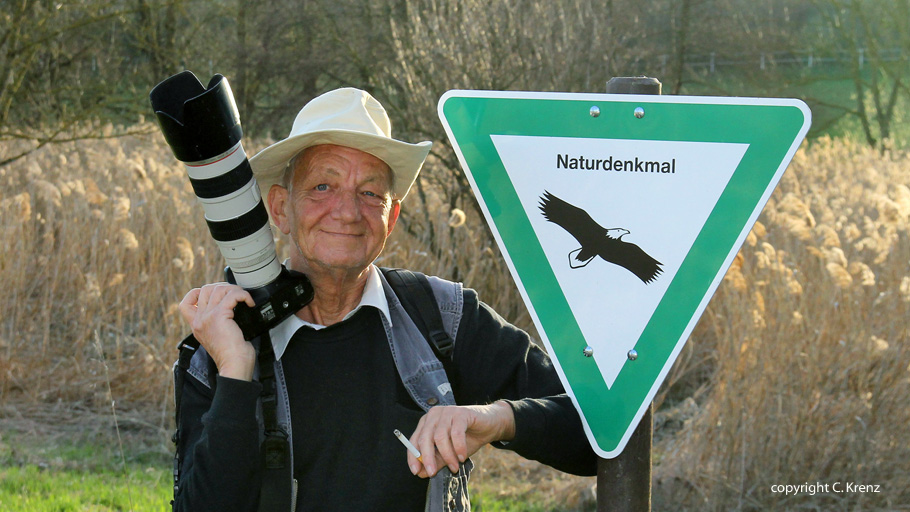
Bruno Dittrich, Fotodesigner

Könnt Ihr Euch vorstellen, vier Jahre auf einer kleinen Insel von gut 50 Kilometer Durchmesser zu leben und zu fotografieren, ohne auch nur eine Stunde Langeweile zu haben?
Wenn ja, herzlich willkommen bei mir auf La Gomera. Wenn nicht, dann erst recht.

Diese Insel ist ein faszinierendes Naturerlebnis, mit oder ohne Kamera. Deshalb biete ich neben Fotoseminaren Natur-Erlebnisreisen und exklusive Naturexkursionen an. Auf den folgenden Seiten meiner homepage findet ihr zu vielen Themen detaillierte Informationen.

Auf der nächsten Seite Prisma Naturreisen ein Wochenprogramm, das vom Nationalpark Garajonay bis zum Whalewatching reicht. Auf den geführten Tagestouren und Wanderungen lernt ihr von der Guanchen Kultur bis zur Inselhauptstadt San Sebastian mit dem Torre del Conde und dem Columbus Museum La Gomeras Natur und Kultur kennen.

Auf den Unterseiten Naturexkursionen und Birdwatching folgen die Programme für Spezialisten. Bemerkenswert ist der sowohl in der Pflanzen- als auch Tierwelt stark ausgeprägte Endemismus. Bolles Lorbeertaube ist ein Endemit, genauso wie das Flache Aeonium und die Kanarische Gottesanbeterin.

Auf der Seite Fotoseminare mit den Unterseiten Naturfotografie und Aktfotografie findet Ihr meine Angebote zu Digitalfotoseminaren von den Grundlagen für Anfänger bis zur Bildbearbeitung. Technische und gestalterische Inhalte wie den Goldenen Schnitt und den Lichtgang bis zu Goethes Farblehre.

Die Naturfotografieseminare verbinde ich mit Tagestouren auf La Gomera. Dabei vermittle ich auch wichtige Grundlagen der Tierpsychologie. Bei der Aktfotografie geht es vor allem um die Probleme und Lösungen des outdoorshootings. Auch diese Seminare schneide ich auf Eure Bedürfnisse zu, ob Anfänger oder fortgeschritte-ner Fotograf.
„artes digital“ – digitale Künste und Kunstwerke steht als gemeinsames Ziel aller Seminare.

Informationen über Klima, Natur und Kultur der Insel findet Ihr auf der Seite Location La Gomera.
Die Kanarischen Inseln sind von den Poeten vergangener Zeiten „Inseln der Glückseligen“ und die „Inseln des ewigen Frühlings“ genannt worden. Beides stimmt mehr oder weniger, und noch dazu nenne ich La Gomera den „Garten Eden auf Erden“. Es gibt keine giftigen Tiere wie Schlangen oder Skorpione, dafür aber rund 2100 Pflanzen-arten. Die meisten brachten die spanischen Eroberer aus aller Welt mit. So wächst heute die Agave, Banane, Strelizie und der Feigenkaktus aus Mittelamerika stammend direkt neben dem heimischen Drachenbaum, der Kanarenkiefer und dem Kanarischen Erdbeerbaum.

Der Kanarengirlitz, Urahn des Kanarienvogels, singt das ganze Jahr, und im Winter kommen nordische Gäste wie die Brandseeschwalbe, Regenbrachvogel, Steinwälzer und Schwalben zu Besuch.

Einzigartig ist der Nationalpark Garajonay, der älteste Wald der Welt. Lorbeerwald, spanisch Laurisilva, bildet den Hauptteil des Weltnaturerbes der UNESCO. Die steilen Hänge der Barrancos ziehen sich durch drei Klimazonen. Der Wald liegt auf Höhe der Passatwolken. Charaktristisch sind endemische Vogelarten wie die Lorbeertaube, Bolles Lorbeertaube, Kanarengoldhähnchen und Kanarenblaumeise.
Dem Whalewatching ist eine Unterseite gewidmet. Die Walbeobachtung vor La Gomera ist von der SECAC als besonders naturfreundlich ausgezeichnet worden. Vor der Südwestküste La Gomeras liegt das Meeresschutzgebiet Franja Marina Santiago – Valle Gran Rey. Nirgendwo auf der Welt können mehr Arten Meeressäuger beobachtet werden als hier. 28 Arten Wale und Delfine sowie Meeresschildkröten kommen hier vor. Pilotwal oder Grindwal, Grosser Tümmler, Fleckendelfin, Rauzahndelfin, Gemeiner Delfin und Blauweisser Delfin leben ganzjährig hier. Im Sommer kommen Brydewal, Pottwal, Grauwal und Blauwal vor. Ornithologen kommen insbesondere wegen der Sepiasturmtaucher, Bulwersturmvogel, Kleiner Sturmtaucher und Sturmschwalbe hier zum Birdwatching her.

Eine repräsentative Auswahl der besten Digital-fotos findet Ihr in der Fotogalerie. Vom Garajonay und dem Roque Agando entlang der Wanderwege über die Insel bis zu den Walen, Delfinen und Seevögeln reicht die Auswahl. Umfangreichere Digitalfotos stehen als Consumer CDs sowie als RF CDs zur Verfügung. Die Fotogaliere ist angereichert mit workshop-fotos meiner Fotowanderungen und Fotoseminare. Zusätzlich eine kleine Auswahl meiner „aussergomerischen
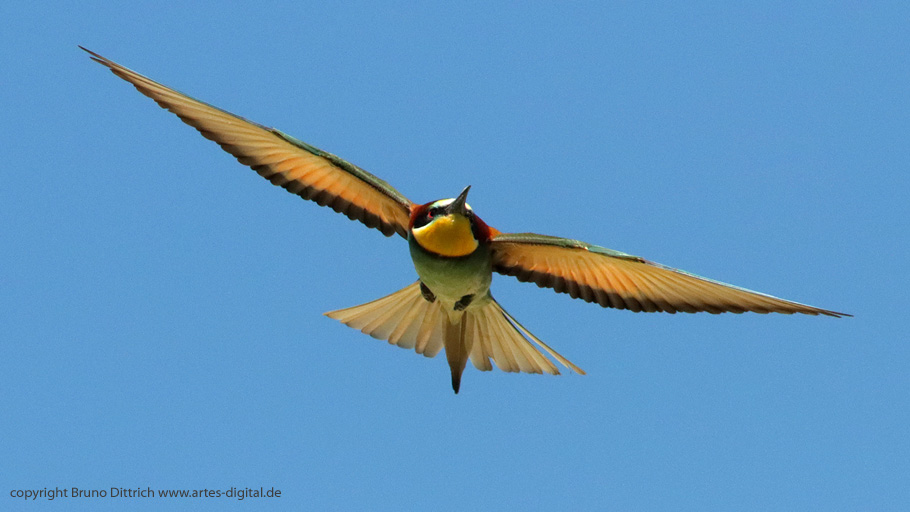
best of“-fotos. Darunter den Eisvogel, der seit über 30 Jahren eines meiner Lieblingsmotive ist. 2009 war der Eisvogel in Deutschland „Vogel des Jahres“.

Einen professionellen Service biete ich den Kolleginnen und Kollegen auf der Seite Presse und TV professional an. In diesem Rahmen recherchiere ich Themen, erstelle Exposées, Reportagen in Bild oder Text. Mein Heimvorteil spiegelt sich im location casting sowie der Organisation kompletter shootings. Auf Anfrage erstelle ich auch thematisch zusammengestellte RF-CDs.

Das TV-footage und lizenzfreie Cliparchiv ist seit
 1. Mai 2010 auf der Homepage                                 www.clip-center-canarias.com
                                            zu finden.


Can you imagine to live and to take photos on a small island of a diameter of approx. 50 km without ever getting bored? If yes – I like to welcome you on La Gomera. If not – even more.

This island is a fascinating adventure of nature with or without a camera. In addition to seminars of photography I am therefore offering tours for experiencing nature as well as exclusive excursions into nature. You will get more detailed information to many topics on the following pages of my home page.

This island is a fascinating adventure of nature with or without a camera. In addition to seminars of photography I am therefore offering tours for experiencing nature as well as exclusive excursions into nature. You will get more detailed information to many topics on the following pages of my home page.

On the following side: “Prisma Naturreisen” you`ll find a weekly program which reaches from the national park Garajonay up to the Whalewatching. On the guided day tours and walkings you`ll learn about the history, the culture and the nature of the island- from the culture of the Guanches, the capital San Sebastian with its “Torre del Conde” and its Columbus-museum up to the National Park Garajonay.
The undersides “Naturexkursionen” und “Birdwatching”are the programs for specialists. In fauna and flora the distinctive endemism is remarkable. Bolle`s Laurel pigeon is an endemit, just as Aeonium subplanum and the Canarian praying mantis.

On the page “Fotoseminare” with the undersides: “Naturfotografie” and “Aktfotografie” you find my offers like digital photo seminars and picture editing for beginners and advanced with technical and formative contents like the golden cut and the light way up to Goethe's colour apprenticeship.

I connect my nature photograph seminars with day tours in La Gomera. and I am providing important foundations of animal psychology. Content of the sensual art photography seminar is to deal with the problems and solutions of outdoo-shootings.

Digital-Art and Artworks is the common goal of all my seminars and workshops.

You find information about climate, nature and culture of the island on the page “Location La Gomera”.
The Canary islands have been called by the poets of the past „Isles of the Blessed“ and the „islands of the everlasting spring“. Both fit more or less and I call La Gomera the „garden Eden on earth“. There are no toxic animals like snakes or scorpions, but we have about 2100 various plants. Most of them have been brought by the Spanish conquerors from all over the world. Today Agaves, Bananas, Strelizie and the Prickly pears from Central America are growing beside the local Dragon's tree, the Canarian pine and the Canarian arbutus.

The wild Atlantic Canary, forefather of the canary, sings the whole year, and in winter northern guests come to visit like the Sandwich tern, Whimbrel, Ruddy turnstone and Swallow.

The Garajonay National Park, perhaps the oldest wood of the world is unique. Laurel wood, in Spanish Laurisilva, forms the main part of the UNESCO World Heritage Site. The steep slopes of the Barrancos run through three climes.The forest is on the level of the trade wind clouds.
Endemic birds like Whitetailed laurel pigeon, Bolle`s pigeon, Firecrest and Canarian blue tit.

An other page is dedicated to the Whalewatching. The whale observation off the coast of La Gomera has been signified by the SECAC as particulary nature friendly. Off the La Gomera`s south west coast lies the sea protection area Franja Marina Santiago – Valle Gran Rey. Nowhere in the world more species of sea mammal can be observed than here. 28 species of whales and dolphins as well as sea tortoises are to be seen . All year round Pilot whales, Bottlenose dolphins, Spotted dolphins, Rough toothed dolphins, common dolphins and Striped dolphins live here. In summer you can observe Bryde`s whales, sperm whales, grey whales and blue whales. Ornithologists come here because of the Corey`s shearwaters, Bulwer`s petrels, Little shearwaters, Strorm petrels.

You find a representative choice of the best digital photos on the page “Fotogalerie”, from the Garajonay and Roque Agando along the footpaths over the island up to the whales, dolphins and sea birds. More extensive digital photos are available as Consumer CDs as well as RF CDs . These page “Fotogaliere” is enriched with workshop-photos of my photo wanderings and photo seminars. Additionally there is a small choice of my “not gomerian”
“best of all “ photos.

I offfer a professional service to the colleagues on the side “Presse und TV professional”. In this frame I investigate subjects, create Synopses, reports in pictures or/and text. I am able to do location casting as well as organize complete shootings. If required I provide thematically compliedr RF CDs. Still in planning is a TV-footage archive.


 Für die Juristen hier noch der obligatorische Katechismus:

Impressum

Verantwortlich für den Inhalt, Gestaltung und copyright 2008:

Bruno Dittrich, Fotodesigner
  Lomo de Vueltas s/n
(Postanschrift: P.O.Box 228)
E-38870 Valle Gran Rey

e-mail: artes-digital@email.de

Telefon: 0034 - 92280 6261
Mobil: 0034 – 618 487 362

Steuernummer: N.I.F. X6350875T

Vom Inhalt der Links muss ich mich hiermit aufgrund juristischen Sachzwangs
distanzieren, und für ihren Inhalt jede Mitverantwortung ablehnen.
Es gilt spanisches Recht.

Viel Spaß beim surfen auf den folgenden Seiten
und
„welcome to the world of digital photography, arts & television.“

Bruno Dittrich


artes digital startPersonalienNatur ExkursionenBird WatchingFoto SeminareNatur FotografieAkt FotografieLocation La GomeraWhale watchingRauch SalonPresse und TV professional